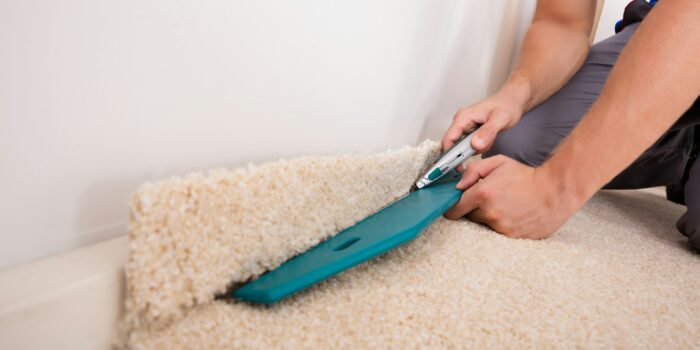
A new carpet can transform your home, add warmth, style and comfort. Whether you’re replacing a room or the old flooring, preparation and attention to detail during the carpet fitting process is key to success.
In this guide we’ll cover everything you need to know, including preparation and maintenance and we’ll include important keywords so you get the full picture.
1. Why get the right carpet?
The perfect carpet can enhance your home’s style and functionality. Texture, colour and durability are key when choosing a carpet for areas like stairs, bedrooms or high traffic zones. Carpets come in many styles, plush, textured or loop pile to suit different needs.
For the living room or hallway, go for hardwearing carpets that can take the wear and tear, softer options for the bedrooms. Always measure the space in square metres when planning so you order enough carpet and waste as little as possible.
2. Carpet Styles and Materials
Choosing the right carpet means choosing the right carpet style and material for your needs. Here are the main styles:
- Cut Pile: Soft and luxurious, for bedrooms or formal areas.
- Loop Pile: Durable for high traffic zones or rooms that get spills.
- Frieze: Textured for informal areas.
- Patterned Carpets: For adding personality to a room.
Materials range from durable wool to cost effective synthetic options like nylon or polyester. Get the right carpet and you get durability, comfort and low maintenance.
3. Preparing for Carpet Fitting
Preparation is key to a smooth carpet installation. Here’s what to do:
- Clear the Room: Remove all furniture and breakable items. Large heavy furniture should be moved out of the room, wiring detached and any electronic equipment secured.
- Inspect the Subfloor: Make sure the subfloor is clean, dry and level. Repair loose floorboards or cracks as these can affect the carpet finish.
- Remove Old Carpet and Underlay: Handle carpet removal carefully to avoid damaging the subfloor or creating too much debris.
- Accurate Measurements: Measure the space correctly to avoid buying too much or too little carpet. Take into account irregular shapes, corners and excess material for trimming.
Proper preparation saves time and money.
4. Underlay
The underlay is just as important as the carpet. A good underlay will add comfort, reduce noise and extend the life of the carpet. Replace old underlay to not compromise the new carpet’s performance. Choose the right underlay for your needs, insulation, thickness and durability.
5. Carpet Installation Tools
Whether you’re hiring professionals or doing it yourself, you need the right tools for the job. Here are the tools:
- Carpet stretcher: To get the carpet tight and wrinkle free.
- Carpet knife: For precise cutting and trimming.
- Knee pads: For your knees during the installation.
- Measuring tape: For accurate measurements.
Using the right tools will help you get a perfect fit and finish.
6. The Installation Process
- Prepare the Subfloor: Clear debris and level uneven areas.
- Lay the Underlay: Lay the underlay on the floor and fit it tight to walls and skirting boards.
- Install the Carpet: Roll out the carpet and align to walls and corners.
- Stretch and Secure: Use a carpet stretcher to get rid of wrinkles and secure the carpet.
- Trim Excess Material: Cut excess carpet along edges and near doors and windows.
7. Troubleshooting
During the installation you may encounter:
- Excess Dust: Keep the area clean by vacuuming frequently and opening windows for fresh air.
- Tight Spaces: Make sure the carpet fits snug to skirting boards, stairs and awkward corners.
- Loose Areas: Check the carpet is stretched properly to avoid loose spots that can cause wrinkles.
8. After Installation
Once the carpet is installed follow these:
- Vacuum Regularly: Remove dust and dirt to keep the carpet looking fresh.
- Check Edges and Seams: No gaps or fraying along edges or seams.
- Deep Clean Periodically: Professional clean every 12-18 months to extend the life of the carpet.
9. Save Money
To save money don’t waste by ordering the exact amount needed based on accurate measurements. Repurpose excess material as mats or runners. Regular maintenance will also extend the life of the carpet and reduce replacement costs.
10. Professional Carpet Fitters
If you’re not doing it yourself, hire professional carpet fitters to get your carpet installed. Here are some things to consider when looking for a professional:
- Offer a guarantee on their work.
- Have good reviews and references.
- Use quality tools and methods.
Professional fitters such as Nova Flooring will handle the tricky bits like installing around stairs and skirting boards to get a perfect finish.
11. Ventilation and Comfort
After installation open the windows. This will get rid of the adhesive smells and allow fresh air to circulate and make your space comfortable.
12. Fitting Guide
When preparing your home for carpet fitting remember:
- Remove furniture and secure breakable items.
- Prepare the subfloor and make sure it’s in good condition.
- Use a fitting guide to follow the process.
Summary
Fitting carpets requires planning, preparation and execution. From choosing the right carpet to the fitting process itself, every step counts. With the right tools like a carpet stretcher and carpet knife, dealing with excess dust and maintaining your carpet after installation you’ll have a beautiful space for years to come.
By following these tips you’ll get the most out of your investment whether you’re doing it yourself or hiring carpet fitters. A well fitted carpet adds value to your home and makes every room feel cozy and warm.
